Cameroon signed up to the right to read and then stopped short. It deposited its ratification of the Marrakesh Treaty on 5 October 2021, and the treaty entered into force for Cameroon on 5 January 2022. The national copyright law has not been amended since. On the international monitoring of treaty implementation, Cameroon’s status reads: ratified, no national reform.
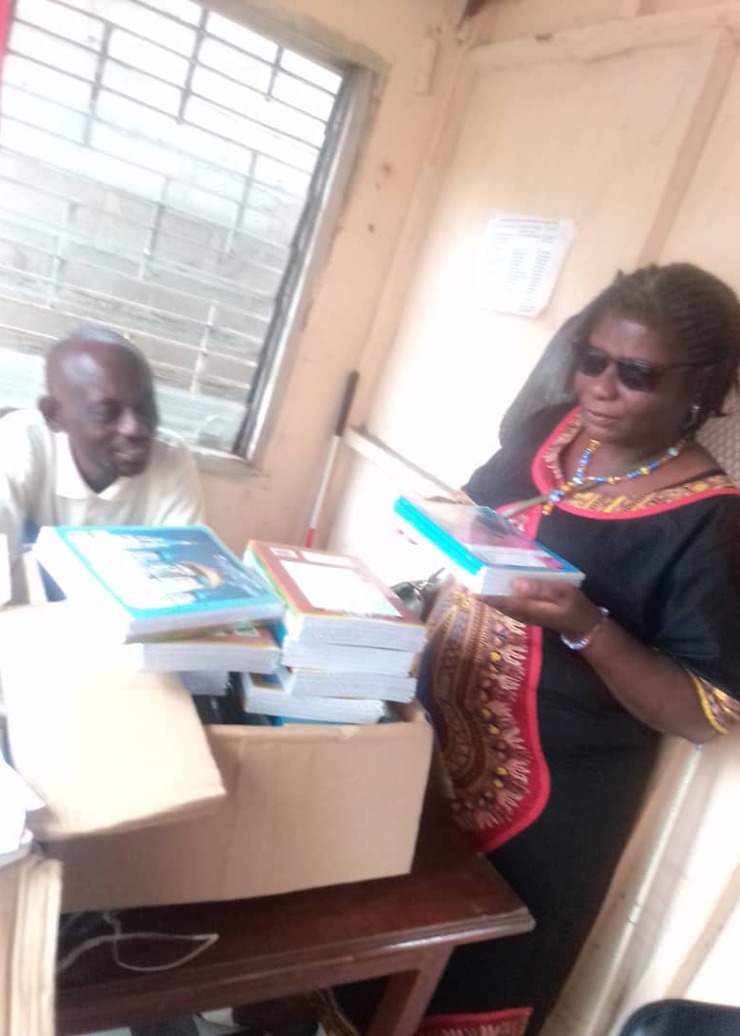
The gap has a precise consequence. The Marrakesh Treaty exists so that organisations serving blind and print-disabled readers can make and share accessible copies without asking the copyright holder first, and can send those copies across borders to each other. None of that reaches a reader in Cameroon until the copyright law says so. Today, converting a school textbook, a law or a health leaflet into braille or audio here still needs the publisher’s permission, one title at a time.
Cameroon has done this before. Law N° 2010/002 on the protection and promotion of persons with disabilities was signed on 13 April 2010, and waited eight years for the decree that made it operable. That decree then reached only holders of a national disability card certified at a permanent incapacity rate of 50 percent or more. A right that exists on paper and not in a reader’s hands is the pattern CAMAB works against, and Marrakesh is the current instance of it.
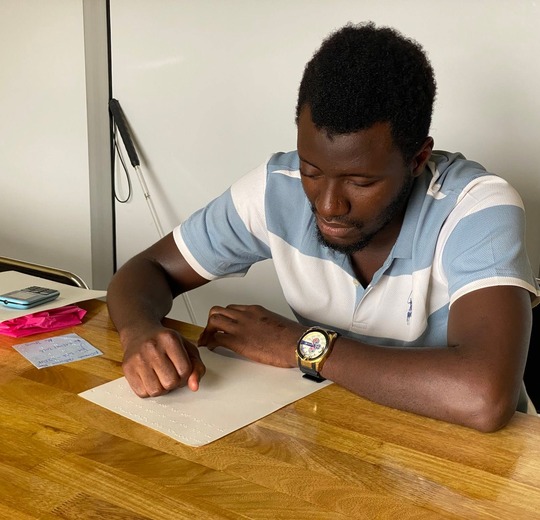
The scale is not small. More than 600,000 people in Cameroon live with visual impairment, on the 2014 figure from the Programme national de lutte contre la cécité. Most of them cannot read braille, and among the few who can, women are rare. Closing the gap would not create readers on its own. It would remove the permission step that stands between them and every book they cannot currently get.
The CAMAB Centre is the other half of the same argument. It is designed to produce material in accessible formats, and the day the law changes is the day that work stops needing anyone’s permission.

 English
  Français